The 2025 storm season produced 43 documented hail events affecting Burleson commercial and residential property, with stones ranging from golf-ball to softball-sized. The 140 historical hail events documented within a 10-mile radius across recent decades places 76028 and 76097 in one of the most claim-active commercial roofing zip code clusters in the entire United States. The June 2023 storm event delivered tennis-ball and baseball-sized hail across south Burleson, devastating commercial roofs along Wilshire Boulevard, Hidden Creek Parkway, and the Highway 174 corridor.
Roughly 60 percent of TPO commercial roofs older than 12 years on Burleson, Crowley, Fort Worth, and Mansfield commercial properties show measurable seam degradation along south-facing slopes due to UV exposure compounded by Texas summer heat events. The membrane reaches surface temperatures of 160 to 180 degrees on extreme heat days from June through September, and the seam tape adhesive ages faster on south-facing exposures than on the rest of the roof. Hail damage frequently presents at exactly these aged seams, which is why infrared moisture surveys catch saturated insulation under intact-looking membrane before the leak presents in the building interior.
Commercial roofing material and labor costs across the DFW market have climbed significantly since 2020, with TPO 60-mil installed pricing now running $6 to $12 per square foot in 2026 across Burleson commercial work, modified bitumen running $10 to $18 per square foot, and standing-seam metal in 24-gauge Galvalume with Kynar 500 finish running $14 to $24 per square foot installed. Climate zone 3A energy code requires R-25 minimum continuous insulation on commercial replacements, which adds $1 to $3 per square foot to most projects. Properly installed manufacturer-backed system warranties (Carlisle Total Roofing System Warranty, GAF Diamond Pledge, Firestone Red Shield, Johns Manville Peak Advantage, Versico VersiWeld) running 25 to 30 years pay back the higher installation cost across the building's commercial mortgage cycle.
Hail Alley is not a marketing phrase. The corridor running from north Texas through Oklahoma and into Kansas and Nebraska absorbs the highest concentration of severe hail events in the United States, and Burleson sits at the southern Texas anchor of that corridor. The pattern is driven by the meteorological geography where Gulf of Mexico moisture meets dry continental air over the Cross Timbers and the Texas plains, producing the supercell storm systems that drop 1-inch, 2-inch, and occasionally 4-inch hail across Tarrant, Johnson, Dallas, Collin, and Kaufman Counties. DFW averages 8 to 12 hail events per year producing stones 1-inch or larger, and Burleson sits in one of the most claim-active subzones in the entire Hail Alley region.
The 43 hail events Burleson recorded in 2025 cluster around a predictable seasonal window. March through June carries the bulk of the storm volume, with secondary activity in September and October. The June 2023 storm event delivered tennis-ball and baseball-sized hail across south Burleson, devastating commercial roofs along the Wilshire Boulevard corridor, the Hidden Creek Parkway industrial park, and the Highway 174 commercial properties. The 2024 spring season layered additional hits across the same properties, and 2025 piled on. Many commercial property owners are now on their second or third major hail claim within a five-year window.
This frequency changes everything about how a commercial roof should be specified, installed, maintained, and insured. A roofing contractor in Burleson, TX that treats commercial roofs the same way it would treat them in Houston or San Antonio is missing the central reality of the local market. The roof system has to be built for repeat hail exposure, not single-event survival.

Different commercial roof systems respond differently to hail impact, and the Burleson 2025 season demonstrated the variance clearly. TPO single-ply membrane (60-mil and 80-mil thicknesses, manufactured by Carlisle, GAF EverGuard, Firestone UltraPly, Versico VersiWeld, Johns Manville, Mule-Hide, and others) typically handles 1-inch hail without functional damage but begins to show bruising and pinholing at 1.5-inch and larger stone sizes, particularly on aging membranes where the plasticizer chemistry has degraded.
EPDM rubber membrane (45-mil and 60-mil thicknesses, Carlisle Sure-Seal, Firestone RubberGard, Versico VersiGard) generally outperforms TPO at hail resistance because the rubber chemistry stays flexible across temperature ranges. Modified bitumen with granule-surfaced cap sheet (GAF Liberty, GAF Ruberoid, Polyglass, Johns Manville modified bitumen) holds up well against smaller hail but takes punctures from larger stones, particularly on aging membranes where the granule coverage has thinned. Built-up roofing with gravel surfacing dissipates hail energy through the gravel layer but suffers when the gravel coverage becomes uneven over time.
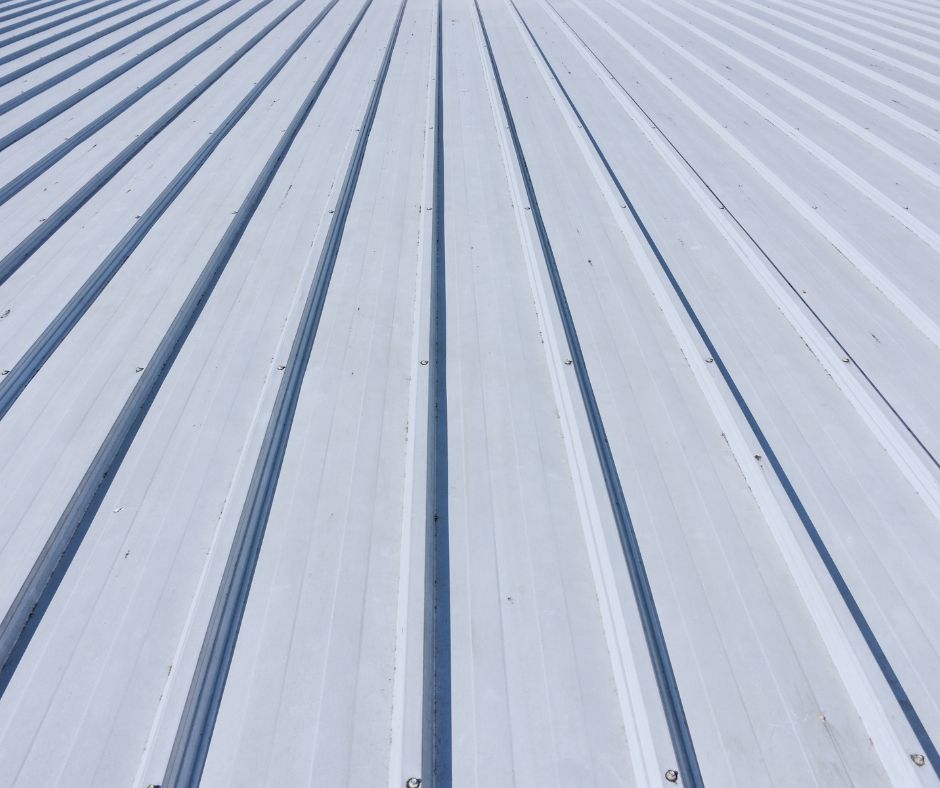
Standing-seam metal roofing in 24-gauge or 22-gauge Galvalume with Kynar 500 PVDF coating absorbs hail indentations cosmetically without functional failure, though insurance coverage for cosmetic-only metal panel damage varies by policy. R-panel and corrugated metal show similar patterns. Spray polyurethane foam roofing with silicone or acrylic coating handles hail well because the foam absorbs impact energy and the coating typically self-heals minor surface damage.
The pattern across all of these systems through the 2025 Burleson season was clear. Roofs older than 12 to 15 years took disproportionate damage compared to newer installations. Roofs with marginal maintenance histories took disproportionate damage compared to well-maintained systems. South-facing slopes took disproportionate damage compared to north-facing slopes because UV degradation across Texas summers had already weakened the membrane chemistry by the time the hail arrived. The Burleson TX roofing company conversation that follows a major hail event has to address all of these variables.
One specific failure pattern shows up consistently on Burleson, Crowley, Fort Worth, and Mansfield commercial properties. Roughly 60 percent of TPO commercial roofs older than 12 years show measurable seam degradation along south-facing slopes due to UV exposure compounded by Texas summer heat events that produce 95-plus degree days from June through September with multiple 100-plus degree days each summer. The seam tape adhesive and the heat-welded seam itself age faster on south-facing exposures because the membrane reaches surface temperatures of 160 to 180 degrees on extreme heat days.
This matters because hail damage frequently presents at exactly these aged seams. A south-facing TPO seam that survived the 2023 storm season because it was still bonded properly may fail during the 2025 storm season because two additional summers of UV degradation have weakened the chemistry. The leak shows up after the storm, but the underlying failure was years in the making. Infrared moisture surveys catch saturated insulation under intact-looking membrane before the leak presents in the building interior, which is why proactive inspection programs save Burleson commercial property owners far more money than reactive repair after the next storm.
The Burleson TX roofing company conversation about commercial roof replacement now includes considerations that did not exist five years ago. The City of Burleson adopted the 2021 International Residential Code in October 2023, which raised the inspection regime for permit submissions through the Burleson Building Permits and Inspections Department. Storm-restoration roofing work requires Texas Department of Insurance HB3 compliance for the contractor performing the work, which is a specific statutory framework, not just a general licensure question.
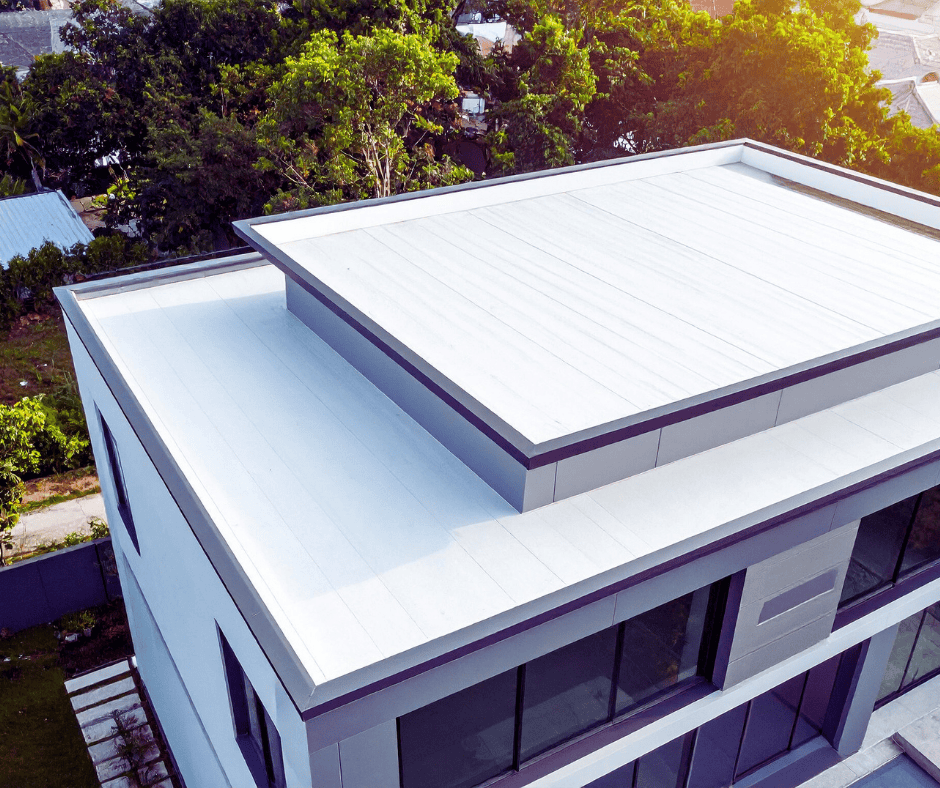
The membrane selection conversation hinges on the building use, the existing structural deck, the insulation requirements under climate zone 3A energy code, and the projected ownership horizon. TPO 60-mil installed cost across the 2026 DFW market runs $6 to $12 per square foot installed, with Burleson commercial work typically running $7 to $11 per square foot for fully-adhered installations on tapered polyiso insulation with the R-25 minimum required under zone 3 commercial energy code (R-30 in some applications). PVC runs $8 to $14 per square foot for the chemical-resistance and fire-rating applications where it makes sense. EPDM runs $7 to $13 per square foot. Two-ply modified bitumen runs $10 to $18 per square foot installed. Three-ply modified bitumen with full insulation runs higher.
Standing-seam metal in 24-gauge Galvalume with Kynar 500 finish runs $14 to $24 per square foot installed for the warehouse, distribution center, and high-end commercial applications where the 40-plus-year service life justifies the upfront cost. SPF foam with silicone or acrylic topcoat runs $5 to $9 per square foot and works particularly well as a recovery system over aging modified bitumen or built-up roofs where tear-off costs would push a conventional replacement out of budget.
The manufacturer warranty math is what separates a real commercial roof system from a budget tear-off-and-cover job. A properly installed Carlisle Total Roofing System Warranty (No Dollar Limit), GAF Diamond Pledge, Firestone Red Shield, Johns Manville Peak Advantage, or Versico VersiWeld warranty runs 25 to 30 years and covers both materials and labor for the full warranty term. The premium for the manufacturer-backed system over a generic install typically runs 10 to 20 percent on the front end and pays back across the building's commercial mortgage cycle through warranty coverage that absorbs hail-related repair costs that would otherwise hit the property owner directly.
Major hail events bring out-of-state storm-chaser operators who appear in Burleson, Crowley, and Mansfield commercial parking lots within hours of a storm and disappear within weeks. They are not licensed for ongoing Texas commercial work, they do not carry the manufacturer certifications required to install warranted systems, and they have no local presence to honor warranty claims when problems develop. Texas Department of Insurance HB3 compliance specifically addresses some of these patterns by requiring storm-restoration contractors to maintain physical Texas business presence and by prohibiting certain insurance-related practices.
The financial cost of hiring a storm-chaser commercial roofer is typically not visible at the time of the work. The cost shows up two to four years later when the seam separations begin, the warranty paperwork turns out to be invalid because the manufacturer was never engaged, the contractor is unreachable, and the property owner faces a second roof replacement on a property that should have had 20-plus years of service from the first one. Burleson commercial property owners with portfolios of multiple buildings have learned this lesson at scale across the post-2023 storm cycles, and the 2025 wave produced an additional round of these stories.
The Burleson TX roofing company question that property owners and facility managers have to answer is whether the contractor will be present in the DFW market five and ten years from the install date to honor warranty obligations and respond to follow-up issues. Local presence, manufacturer certifications across GAF, Carlisle, Firestone, Johns Manville, Versico, Sika Sarnafil, and Mule-Hide, NTRCA membership, RCAT membership, and HB3 compliance documentation all serve as proxy signals for that long-term presence question.


Burleson grew from approximately 36,000 residents in 2010 to over 51,000 in 2025, making it one of the fastest-growing cities in Tarrant County. The commercial development that followed residential growth has produced a commercial property mix with specific roofing demand patterns. The 1970s-1990s legacy retail centers and strip malls along Wilshire Boulevard and US 287 typically carry modified bitumen or built-up roofs now reaching end-of-service-life. The 1990s-2010s mid-tier retail and office construction typically carries TPO or PVC single-ply membrane on tapered polyiso insulation, now hitting the 15-25 year replacement window.
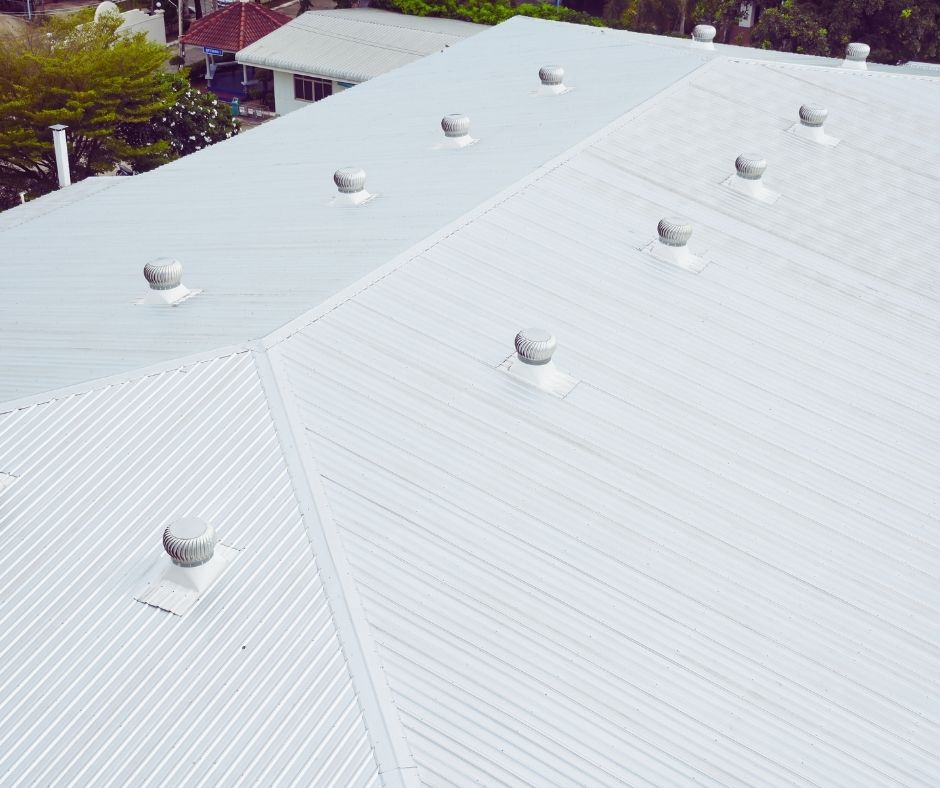
Post-2015 industrial and warehouse construction along the I-35W corridor and the Hidden Creek Parkway industrial parks typically carries standing-seam metal R-panel or large-format TPO mechanically-fastened systems. The Burleson Commons retail district, the Highway 174 corridor, and the Alsbury Boulevard retail spine all represent active commercial roofing service markets where SCR works regularly. Burleson Independent School District properties, multifamily complexes serving the population growth corridor, hospitality properties along I-35W, and self-storage facilities all add to the commercial roofing demand profile.
Each property type has its own roofing system priorities. Retail centers prioritize tenant disruption minimization during install and warranty coverage that protects tenant improvement allowances. Industrial and warehouse facilities prioritize service life, hail resistance, and energy code compliance. Multifamily and HOA properties prioritize warranty alignment with the property management timeline and material specifications that match HOA architectural guidelines. Healthcare and educational facilities prioritize installation scheduling around occupancy patterns and infection-control or student-safety considerations during the work.
The post-storm insurance claim conversation in Burleson is its own discipline. Insurance adjusters working DFW commercial claims volumes during peak storm seasons may inspect 8 to 15 commercial roofs in a single day, which is a workload that produces missed damage even from competent adjusters. Hail bruising on TPO and EPDM does not always present as visible from a distance. Modified bitumen punctures from larger hail stones may not show until the granule-surfaced cap sheet has weathered enough for the puncture to open up. Metal panel indentations may be classified as cosmetic when they have actually compromised the panel's fastener seal or the underlying clip system.
The Texas Department of Insurance HB3 framework allows for supplemental claim filings when additional damage is discovered after the initial scope of damage report, but the supplement has to be documented properly and submitted within the policy timeline. SCR's Xactimate-trained estimators, photographic documentation discipline, infrared moisture survey capability, and adjuster meeting representation all serve the commercial property owner's claim through this process. The difference between a $200,000 initial claim and a $450,000 final claim with proper supplement documentation is often the difference between a partial roof repair and a full code-compliant roof system replacement that actually survives the next storm cycle.

SCR's Terrell headquarters at 107 Tejas Dr in 75160 sits along US Highway 80 east of Mesquite, providing cross-DFW dispatch radius via I-635, I-30, I-820, and the US 287 connector. The Burleson 76028 and 76097 service area sits roughly 50 miles from the Terrell HQ via this corridor, well within the same-day dispatch window that the 24 hours per day, 7 days per week operational schedule supports. The Texas commercial roofing contractor status combined with manufacturer certifications across GAF, Carlisle, Firestone, Johns Manville, Versico, Sika Sarnafil, Mule-Hide, Polyglass, and GenFlex distinguishes SCR from single-service competitors and storm-chaser operators who appear after major hail events without local presence.
The breadth of services matters specifically because Hail Alley commercial roofing is rarely a single-service problem. A property hit by hail may need emergency tarping the day of the storm, a comprehensive damage assessment with photographic and infrared documentation within the first week, an insurance scope review and adjuster meeting within the first 30 days, supplemental claim filings as additional damage is discovered, then a full replacement scope that handles tear-off, structural deck repair, vapor retarder, tapered insulation for positive drainage, cover board, membrane installation, parapet wall and coping work, drain and scupper repair, skylight replacement, and OSHA-compliant safety system installation through the duration of the work.
SCR's commercial roofing breadth across TPO single-ply membrane, PVC single-ply, EPDM rubber, modified bitumen, BUR, standing-seam metal, R-panel, SPF foam, silicone and acrylic roof coatings, infrared moisture surveys, and structural deck repair means a single Burleson TX roofing company can address every component of the commercial roof system rather than handing off pieces to multiple specialists. The 24/7 operational schedule means the emergency dispatch capability covers the storm response window when it matters most. Manufacturer-backed system warranties up to 30-year No Dollar Limit, workmanship warranties on installation labor, Texas Department of Insurance HB3 compliance, free commercial roof inspections, and free written estimates round out the service positioning.
Commercial property owners and facility managers across Burleson, Celina , Crowley, Mansfield, Joshua, Cleburne, Fort Worth, Bedford and the broader Tarrant County and Johnson County market who need a Burleson TX roofing company with real DFW operational coverage can request a free commercial roof inspection and written estimate by calling SCR, Inc. General Contractors at (972) 839-6834. Same-day emergency leak response is available across the service area, post-storm tarping and damage assessment dispatches typically arrive within the same-day window during active storm cycles, and the integrated repair-to-replacement service approach handles every stage of commercial roof work from emergency response through full system replacement under manufacturer-backed warranty coverage.

Redirect to:
|
This page is a redirect. The following categories are used to track and monitor this redirect:
|